

KitchenAid Washer Motor Coupling Repair in Fort Lauderdale, FL
Verified Repair Report™ — RR0142
Service Summary
- Primary Appliance: KitchenAid Washer
- Washer Model: KAWS700LQ0
- Washer Diagnosis: Motor Coupling Required Replacement
- Washer Repair: Motor Coupling Replaced
- Washer Status: Successfully Repaired (Unit Spins Great)
- Additional Appliance: KitchenAid Dishwasher
- Dishwasher Model: KUDS01FLS3
- Dishwasher Diagnosis: Motor and CPU Required
- Dishwasher Repair Status: Diagnosis Documented — Repair Not Documented
- Location: Fort Lauderdale, FL 33301
This Fort Lauderdale service visit involved two KitchenAid appliances at the same property: A top-load washing machine and a dishwasher.
Both appliances required diagnosis, but the available service documentation records two different outcomes.
For the washer: Motor coupling needed → Motor coupling replaced → Washer spins great.
For the dishwasher: Motor and CPU needed → Diagnosis documented → Repair not documented.
That distinction is important. A diagnosed component isn't automatically a completed repair, and a completed component installation isn't automatically a verified successful outcome.
RR0142 preserves each appliance at the level supported by the service evidence.
Service Overview
| Brand: | KitchenAid |
| Appliance: | Washer (Primary) |
| Model: | KAWS700LQ0 |
| Diagnosis: | Motor coupling required |
| Repair Performed: | Motor coupling replaced |
| Outcome: | Successfully Repaired |
| Additional Appliance: | KitchenAid Dishwasher (Diagnosis Only) |
| Repair Complexity: | High |
| Technician: | The Appliance Experts |
| Repair Report #: | 0142 |

KitchenAid Washer Diagnosis
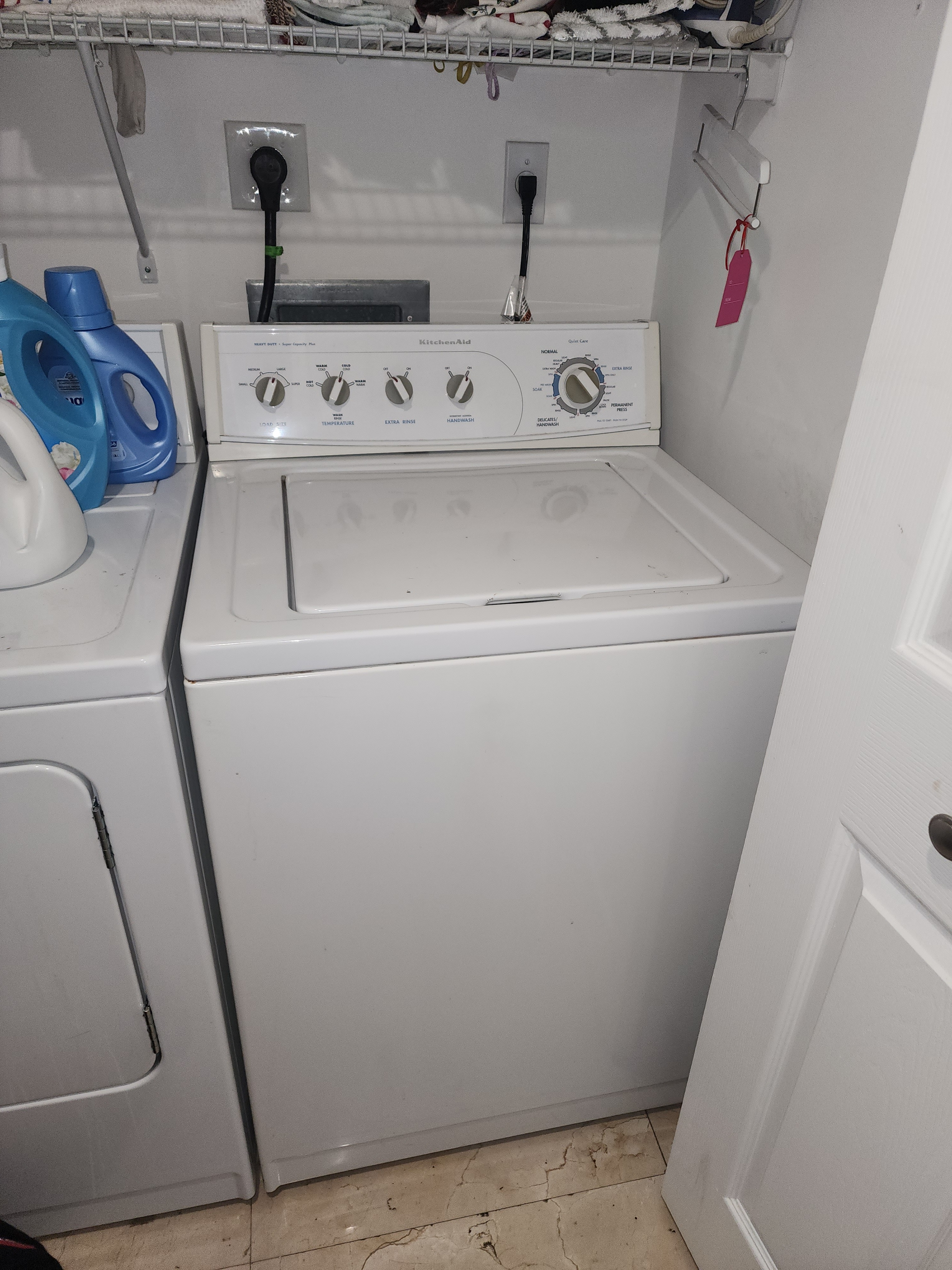
The KitchenAid top-load washer was identified as needing a motor coupling.
The field identification photograph documents the washer as: KitchenAid Model KAWS700LQ0
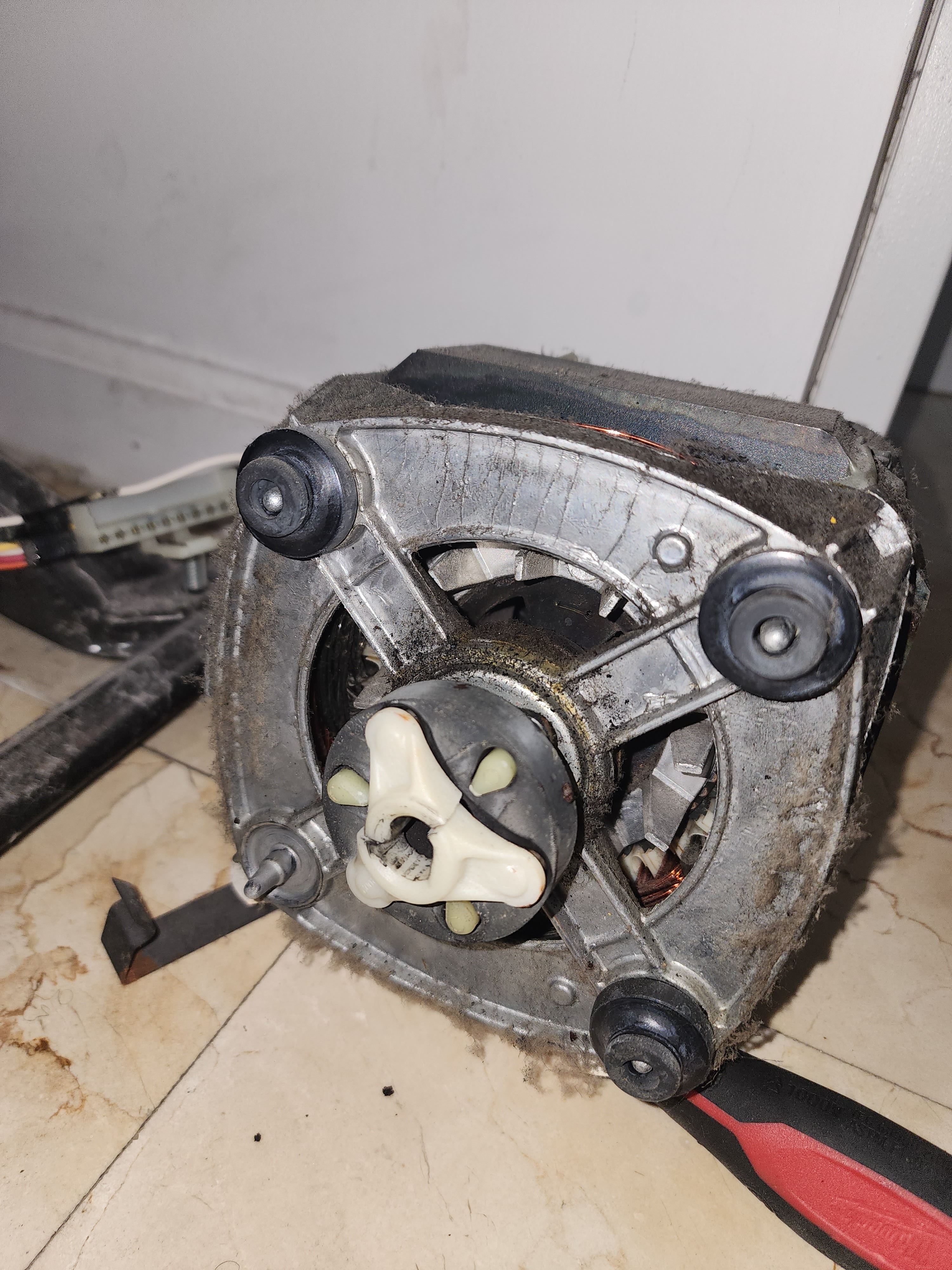
The motor coupling is part of the washer's drive system. On washers that use this design, it transfers power from the drive motor into the transmission/gearcase so the machine can perform the mechanical movement required during operation.
When the coupling fails, the motor can potentially run without successfully transferring that power through the drive system.

Washer Repair Performed
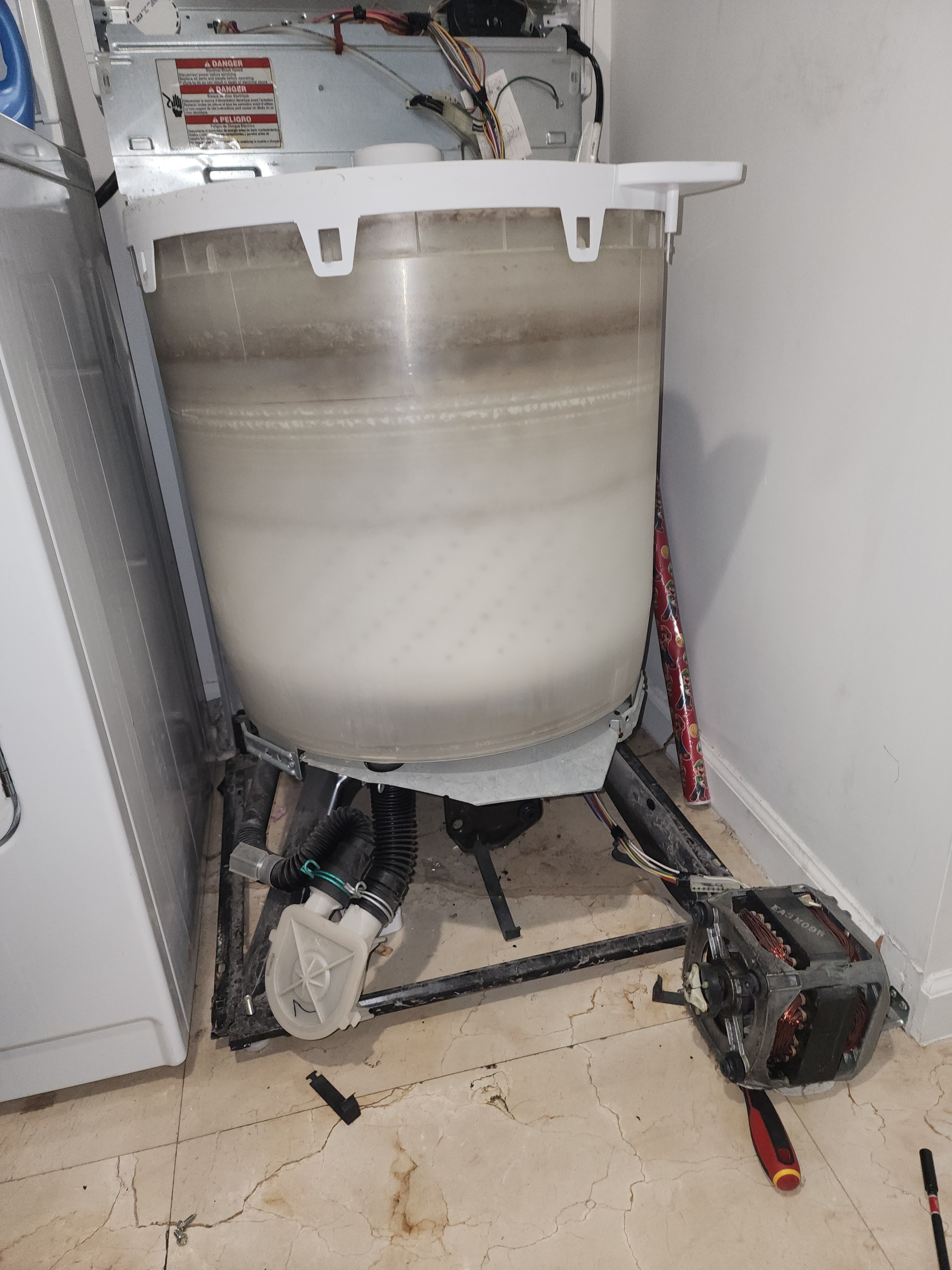
The technician replaced the washer's motor coupling.
Field photographs from the service event document the washer during disassembly and show the drive-system area accessed during the repair.
The service documentation then records the post-repair result:
“Replaced coupling and unit spins great.”
That statement gives RR0142 something particularly useful: A documented functional outcome after the component replacement.

Washer Post-Repair Testing & Outcome
The washer service sequence is:
Motor coupling required → Motor coupling replaced → Washer spins properly afterward
Because operation was documented after the repair, the washer portion of RR0142 is classified as:
Successfully Repaired
This is stronger evidence than simply documenting that a replacement component was installed. It tells us what happened after the repair was performed.
What Does a Washer Motor Coupling Do?
A motor coupling is a mechanical connection used on certain washer drive systems.
Its purpose is to transfer rotational power from the washer's motor to the transmission or gearcase.
Rather than connecting those components with a conventional drive belt, washers using this design employ a coupling assembly between the motor and transmission.
The coupling also serves as a mechanical connection point within the drive system. When it fails, the motor may no longer be able to properly drive the washer.
Why a Washer Can Run Without Spinning
A washer contains several systems that perform different jobs.
The fact that a washer fills with water, drains, or makes motor sounds doesn't necessarily mean the entire drive system is functioning.
If the motor is receiving power but that power isn't being transferred correctly through the drive system, the tub may fail to move normally.
That is why diagnosing the actual failed component matters. A washer that doesn't spin could potentially have problems involving several different components depending on its design. The symptom alone doesn't identify the repair.
For RR0142, the documented component was the motor coupling.
Motor Coupling vs. Washer Motor Failure
A failed motor coupling and a failed drive motor are not the same repair.
The motor produces mechanical power. The coupling transfers that power into another portion of the washer's drive system.
A failure at the coupling can therefore interrupt washer operation even when replacing the entire motor isn't necessary.
That distinction can significantly affect repair economics. Replacing an isolated drive-system component is very different from assuming that the washer needs a complete motor, transmission, or replacement appliance.
Washer Repair vs. Replacement
RR0142 provides a straightforward example of a component-level washer repair.
Instead of replacing the entire washing machine, the service addressed the identified drive-system component. The coupling was replaced. The washer then spun properly again.
Whether any washer is worth repairing depends on factors such as:
• Appliance age
• Overall condition
• Failed component
• Parts availability
• Repair cost
• Whether additional significant problems exist
• Cost of replacing the washer
But the specific component matters. An isolated motor-coupling failure presents a very different repair scenario from a major bearing or transmission failure. For this washer, the documented service path was: Repair the component and keep the appliance operating.
Additional Appliance: KitchenAid Dishwasher
The same Fort Lauderdale service visit also included a KitchenAid dishwasher.
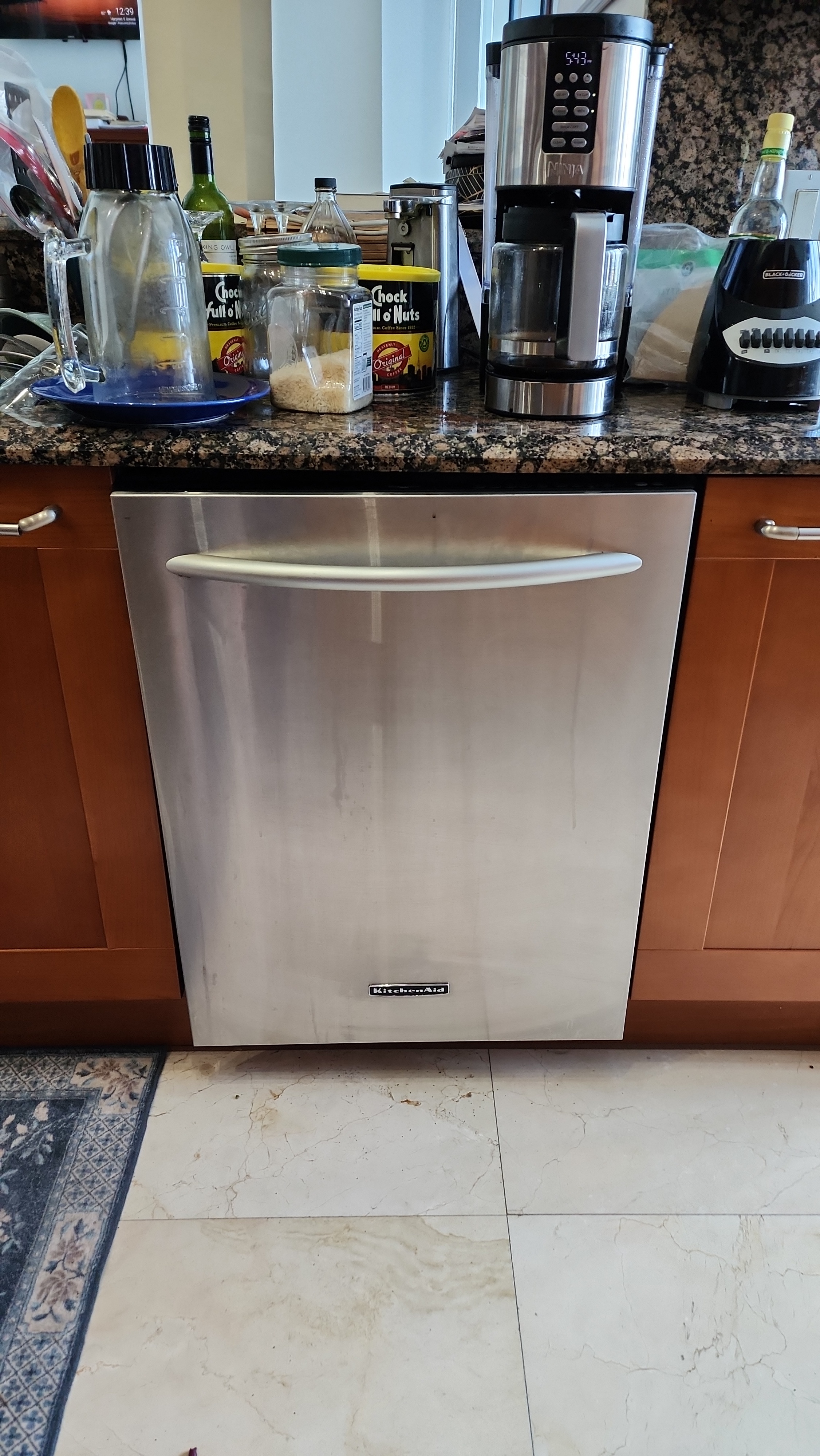
The field identification photograph documents the dishwasher as: KitchenAid Model KUDS01FLS3
The technician's service notes state that the dishwasher:
“Needs motor and CPU.”
This identifies two components associated with the dishwasher diagnosis:
• Motor
• CPU / electronic control
However, the available documentation does not state that either dishwasher component was replaced. Therefore, the dishwasher is classified as:
Diagnosis Documented — Repair Not Documented
What Does the Dishwasher Motor Do?
A dishwasher relies on motor-driven systems to move water during operation.
Depending on the dishwasher design and the component being referenced, motor operation can be involved in circulating wash water or other mechanical functions required during a cycle.
A motor problem can therefore interfere with the dishwasher's ability to perform normal wash operations.
What Does the Dishwasher CPU Do?
“CPU” is commonly used in appliance-service documentation to describe the appliance's electronic control or main control board.
The control system manages or coordinates various dishwasher functions based on cycle selections and information from other components.
When a control problem is present, the dishwasher may not command components correctly or progress through operation as intended.
For this KitchenAid dishwasher, both the motor and CPU were documented as required components.
Why We Don't Count the Dishwasher as Repaired
This is an important part of the Verified Repair Reports™ methodology.
The record tells us: Dishwasher needs motor and CPU.
It does not tell us: Motor and CPU installed. And it does not tell us: Dishwasher tested and operating properly afterward.
Those are different levels of evidence. Therefore, RR0142 does not turn a component diagnosis into an assumed repair. The dishwasher remains classified at the level the documentation supports: Diagnosis Documented — Repair Not Documented.

Repair Intelligence™
RR0142 is particularly useful within The Appliance Experts™ Repair Intelligence™ framework because a single property visit generated two separate appliance-service outcomes.
Washer
1 KitchenAid washer → 1 motor-coupling diagnosis → 1 motor-coupling replacement → successful post-repair spinning
Dishwasher
1 KitchenAid dishwasher → 2 components identified: motor + CPU → repair not documented
At the property level: 1 service visit
At the appliance-event level: 2 appliance service events
At the diagnosed-component level: 3 components identified
At the documented-replacement level: 1 component replacement
At the verified-successful-repair level: 1 appliance
This is why Repair Intelligence™ doesn't treat every technician note, component diagnosis, installation and successful outcome as interchangeable. Each represents a different piece of the service record.
Component-Level Repair Decisions Matter
RR0142 also demonstrates how different components can lead to different repair decisions even within the same household.
The washer required a motor coupling. The dishwasher was documented as requiring a motor and CPU.
Those are materially different repair scenarios. The appliance category alone doesn't tell us enough. Knowing which components are involved provides much more useful information when considering: Repair complexity, parts requirements, repair economics, appliance condition, and whether repair makes sense.
That's one of the central principles behind Repair Intelligence™: The appliance tells you where the problem occurred. The failed component—and the economics surrounding it—often tells you whether repair makes sense.

Homeowner Tips for a Washer That Won't Spin
A washer that doesn't spin doesn't automatically need a motor coupling.
Depending on the washer design, spin problems can potentially involve:
• Drive components
• Lid or door safety components
• Motor components
• Transmission or gearcase components
• Electronic controls
• Drainage problems
• Other mechanical failures
The correct repair depends on identifying the actual failure. If the washer stops spinning, pay attention to what else it still does. Useful observations can include whether it: Fills normally, agitates, drains, makes motor sounds, produces unusual noises, or stops at a particular point in the cycle. Those observations can help during diagnosis.
Preventive Washer Care
A motor coupling is a mechanical component and eventually can fail through normal use. There isn't a maintenance procedure that guarantees a coupling won't fail. However, good washer habits can help reduce unnecessary stress on the appliance generally.
✅ Avoid chronic overloading: Repeatedly operating a washer with loads beyond its intended capacity can place additional stress on drive-system components.
✅ Distribute loads appropriately: Follow the manufacturer's recommendations for loading and load distribution.
✅ Pay attention to new noises: A sudden change in mechanical sound can provide an early indication that something in the drive system isn't operating normally.
✅ Don't repeatedly restart a malfunctioning washer: If the machine has stopped spinning or agitating correctly, repeatedly forcing additional cycles may not solve the underlying problem.
Common Signs Associated With a Failed Motor Coupling
Depending on the washer and the way the coupling fails, possible symptoms can include:
⚠️ Washer not spinning
⚠️ Washer not agitating
⚠️ Motor running without normal tub movement
⚠️ Unusual drive-system noises
⚠️ Washer filling and draining but not completing normal mechanical movement
⚠️ Small pieces of damaged coupling material beneath or inside the machine
These are general symptoms associated with motor-coupling failures. The available documentation for RR0142 does not preserve the customer's original symptom, so none of these is being attributed to this particular customer.

Machine Information
Brand: KitchenAid
Appliance: Washer & Dishwasher
Models: KAWS700LQ0 (Washer), KUDS01FLS3 (Dishwasher)
Repair Report: 0142
Repair Status: 🟢 Successfully Repaired (Washer) | 🟡 Diagnosed (Dishwasher)
Location: 📍 Fort Lauderdale, FL 33301

Repair Classification
🟢 Successfully Repaired (Washer)
🟡 Diagnosis Documented — Repair Not Documented (Dishwasher)
Reliability Index Entry
| Brand | Appliance Category | Failure Mode | Failed Component / Condition | Repairability |
|---|---|---|---|---|
| KitchenAid | Washing Machine | Drive System / Motor Coupling | Motor Coupling | High (Component Replacement Completed) |
| KitchenAid | Dishwasher | Motor / Controls-Boards | Motor & CPU | Diagnosed Only (Repair Not Documented) |

Frequently Asked Questions
What happens when a washer motor coupling breaks?
Depending on the washer design and nature of the failure, the motor may run while the washer no longer spins or agitates normally because motor power isn't being transferred properly through the drive system.
Does a washer that won't spin need a new motor?
Not necessarily. Several different components can interfere with spin operation. A failed motor coupling is one possibility on washers that use this drive design. RR0142 is an example where the coupling, rather than the entire motor, was replaced.
Is a motor coupling worth replacing?
Often it can be. A coupling is an individual drive-system component. Whether repair makes sense depends on the washer's overall condition, age, parts availability and whether other major failures are present.
Can an overloaded washer damage the motor coupling?
Repeated excessive mechanical stress can contribute to wear on washer drive components. However, RR0142 does not document overloading as the cause of this particular coupling failure.
Why did the washer spin again after the coupling was replaced?
The motor coupling transfers mechanical power through the washer's drive system. In RR0142, replacing the identified coupling restored the washer's ability to spin properly, according to the documented post-repair result.
Does a dishwasher that needs a motor and control board have to be replaced?
Not automatically. Repair-versus-replacement depends on the dishwasher's age, condition, parts availability, combined repair cost and replacement economics. For RR0142, the motor and CPU were diagnosed, but the available record doesn't document the customer's eventual repair-or-replace decision.
Why would a dishwasher need both a motor and CPU?
More than one component can fail or require attention within an appliance. The service documentation for RR0142 identifies both components, but it doesn't provide enough additional diagnostic detail to establish why both required replacement. We therefore don't speculate beyond the technician's recorded diagnosis.
Professional Diagnosis. Honest Repair Recommendations.™
Serving Fort Lauderdale, FL and the surrounding Broward County communities with transparent, reliable appliance repair.
Explore More Verified Repair Reports™
See more real appliance diagnoses and repairs in our Verified Repair Reports™ Hub. View Hub →

Continue Exploring
🔧 Related Repair Reports
💧 Whirlpool Washer Motor Coupling Repair Fort Lauderdale FL
💧 KitchenAid Refrigerator Water Leak Repair Fort Lauderdale FL
💧 Washer Power KitchenAid Dishwasher Diagnosis Fort Lauderdale FL
🏠 Appliance Repair Services & Locations
🏷️ KitchenAid Appliance Repair
🛠️ Washing Machine Repair Services
💡 Appliance Care Resources
🧰 Are You Having Washing Machine Problems?
Need Washer Repair?
If your appliance is having a similar problem, The Appliance Experts can help diagnose the issue and explain your repair options.
📞 (954) 256-1622 Call or Text★★★★★ Trusted by South Florida Homeowners.
✔ Honest Recommendations
✔ Experienced Technicians
✔ Detailed Repair Reports
Serving Broward, Miami-Dade & Palm Beach County
The Appliance Experts
Trusted appliance repair professionals serving homeowners throughout South Florida with expert repairs, genuine replacement parts, and detailed Repair Reports™.
Repair Reports™ are based on actual technician service calls performed by The Appliance Experts. Individual appliance failures and repair recommendations may vary.
© 2026 The Appliance Experts. All Rights Reserved.
Privacy Policy | Terms of Service | Contact Us